
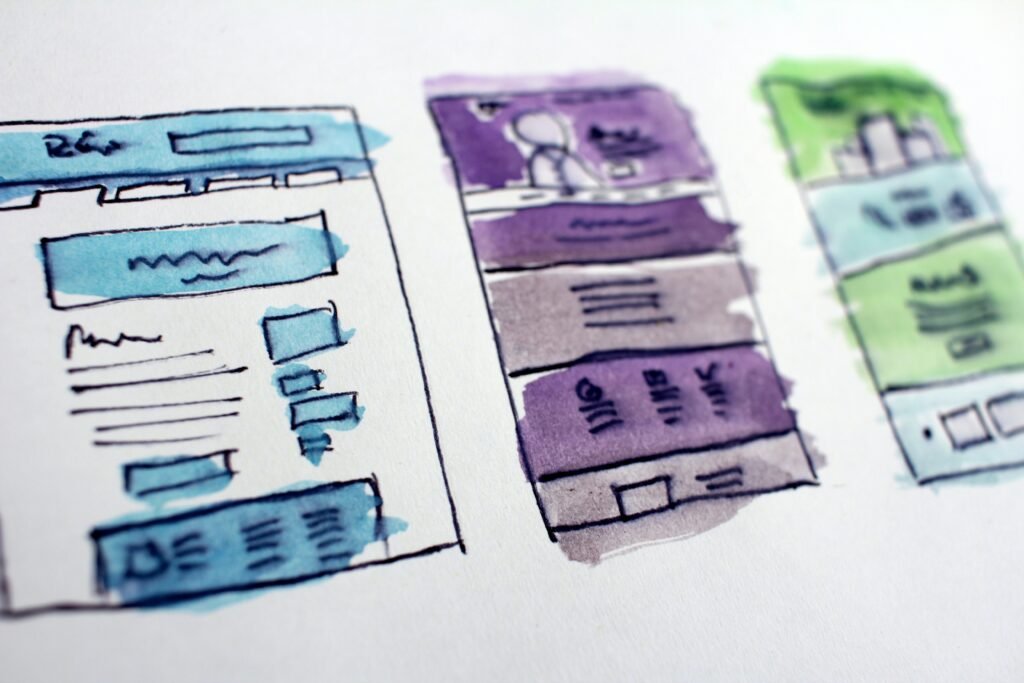
In our increasingly digital world, a website is often the first impression you make on potential customers. Whether you’re running a business or sharing your passion with the world, a great looking website can set you apart from the competition. But what exactly makes a website stand out? Let’s explore the key elements that can transform a good website into a great one.
1. Clean and Simple Design
First and foremost, a great website is clean and simple. It’s all about creating a user-friendly experience. When visitors land on your site, they should easily find what they’re looking for. Clear navigation menus and a clutter-free layout are essential. A straightforward design allows users to focus on your content without distractions.
2. Eye-Catching Visuals
Visual elements play a pivotal role in making a website great. High-quality images and graphics are like the cherry on top of your content. They grab your audience’s attention and make your site memorable. Be sure to choose images that relate to your content and maintain a consistent style throughout your website.
3. Responsive and Mobile-Friendly
In today’s mobile-centric world, it’s imperative that your website looks and functions well on various devices. A responsive design ensures that your site adapts to different screen sizes. A mobile-friendly site enhances the user experience, making your content accessible to a wider audience.
4. Thoughtful Color Scheme
Colors have a profound impact on how users perceive your website. Choose a harmonious color scheme that aligns with your brand and appeals to your target audience. Consistency in color choices across your site conveys professionalism and helps with brand recognition.
5. Engaging Content
A great looking website isn’t just about aesthetics; it’s also about the substance it offers. Engaging, informative content is the heart of your website. Use concise and compelling text, and break it up with headings, subheadings, and bullet points to improve readability. Including multimedia, like videos and infographics, can also make your content more appealing.
6. Fast Loading Speed
Slow-loading websites are a major turn-off for visitors. Speed matters. Optimize your images, use efficient coding, and choose a reliable hosting provider to ensure your site loads quickly. A fast website not only pleases users but also improves search engine rankings.
7. Clear Call to Action
What do you want your visitors to do? Whether it’s signing up for a newsletter, making a purchase, or contacting you, a clear call to action (CTA) guides users toward the desired action. Make sure CTAs are prominently placed and visually distinct, using action-oriented language like “Get Started” or “Buy Now.”
8. User-Friendly Navigation
Navigation is the compass that guides users through your website. A logical and intuitive menu structure makes it easy for visitors to find what they’re looking for. Including a search bar can also enhance the user experience, especially on content-heavy websites.
9. Trustworthy and Professional Appearance
A great looking website exudes professionalism and trustworthiness. Ensure that your contact information is visible and accurate. Include customer testimonials and trust symbols, like SSL certificates, to build credibility with your audience.
10. Regular Updates
Websites are not static; they need regular updates to stay relevant and interesting. Fresh content, new features, and security updates are crucial for maintaining a great website over time.
In conclusion, creating a great looking website is a blend of aesthetics, functionality, and user experience. Keep it clean and simple, incorporate eye-catching visuals, ensure responsiveness, use a thoughtful color scheme, deliver engaging content, prioritize loading speed, have clear CTAs, focus on user-friendly navigation, maintain a professional appearance, and remember to update regularly. By implementing these elements, you can create a website that leaves a lasting impression on your visitors and achieves your online goals.